Chefchaouen, Morocco’s famed “Blue Pearl,” might not boast the sprawling historical annals of Fes or Marrakech, but this mountain city, carefully tucked away amidst the majestic Rif peaks, holds a unique charm and a wealth of secrets, many whispered by its iconic, vibrant blue doors. As you wander its serene, azure-washed medina, these aren’t just entryways; they are portals to stories, history, and a deeply ingrained cultural identity.
A Canvas of Blue: Why Chefchaouen Doors Wear This Hue
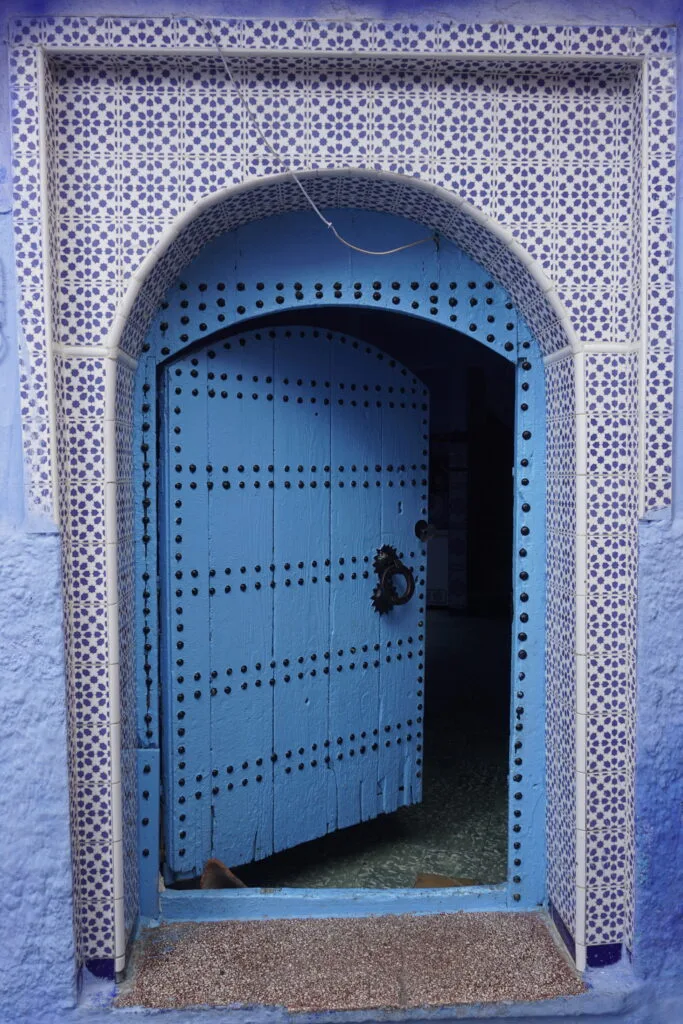
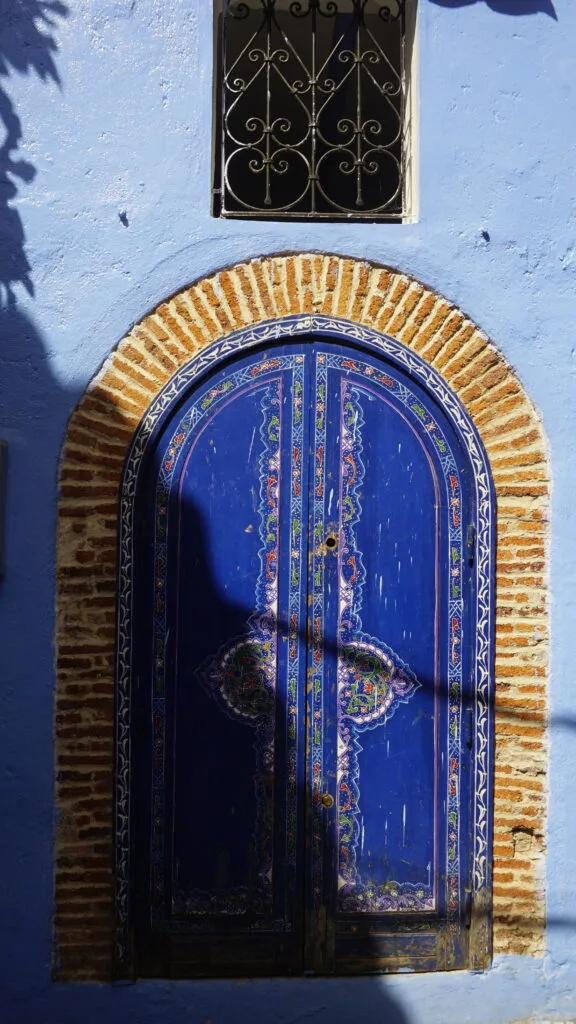
One can’t help but be utterly captivated by the myriad shades of blue adorning Chefchaouen’s architecture, from its walls and stairways to, most notably, its distinctive doors. This isn’t a random aesthetic choice. The blue pigments, ranging from deep cobalt and ethereal cerulean to tranquil azure and rich sapphire, are steeped in cultural and historical significance.
Several theories explain this dominant color. One popular belief is that the blue was introduced by Jewish refugees fleeing the Spanish Inquisition in the 15th century, who painted their homes blue to reflect the divine, heaven, and spiritual serenity, a tradition they brought from their Andalusian heritage. Another local belief suggests the blue acts as a deterrent for mosquitos, keeping the buzzing annoyances at bay. Regardless of the precise origin, the overall effect is one of profound tranquility and a unique visual harmony that defines the city.
More Than Wood and Paint: The Artistry of Chefchaouen's Portals
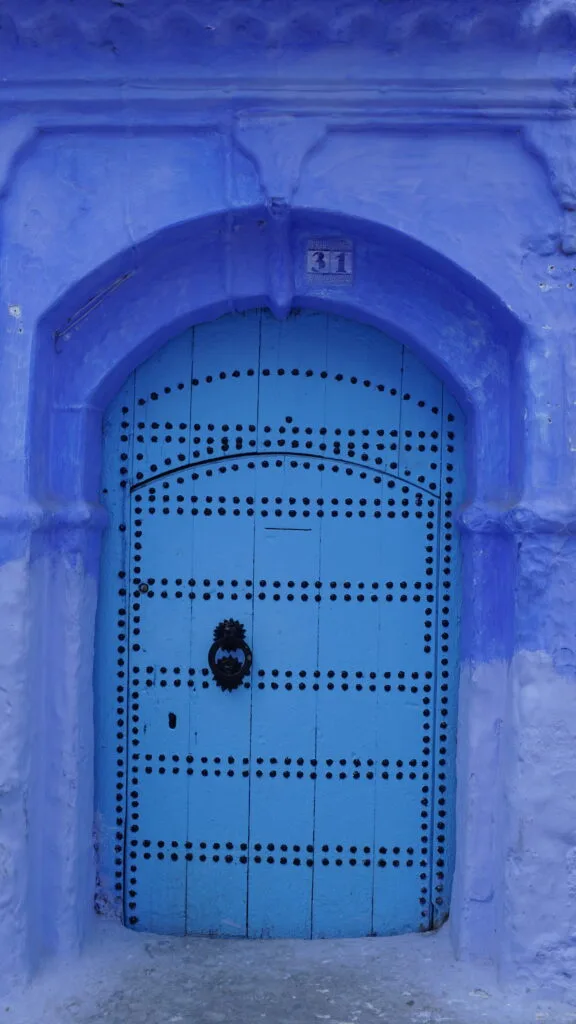
Look closer as you approach each door in Chefchaouen. You’ll often notice the presence of elegantly shaped and meticulously crafted brass or iron knockers, hinges, and studs. These intricate metalwork pieces, often weathered by time, recount stories of past eras. They reflect a beautiful fusion of artistic influences – Andalusian, Arab, and Berber – that have shaped the city over centuries. The designs themselves, from simple geometric patterns to more elaborate motifs, speak of the families who lived behind them and the craftsmanship of a bygone era. It’s as if the doors themselves are guardians of the city’s secrets and its layered history.
The very construction of the doors, often made from sturdy local wood, sometimes arched, sometimes rectangular, each with its own character, is a testament to Moroccan architectural traditions. The accompanying Moroccan tiles (zellige), often framing the doorways or adorning nearby walls, add another layer of intricate beauty.
The "Babs" of Chefchaouen: Historic Gateways to the Medina's Soul
Beyond the countless individual house doors, “Chaouen” as locals affectionately call it, is also defined by its historic city gates, known as “Bab” in Arabic. These larger portals were the original fortified entrances to the ancient Medina, each with its own story, strategic importance, and character, marking the thresholds between the bustling city life within and the world outside.
While many smaller entrances and passages exist, several main “Babs” have played pivotal roles in Chefchaouen’s history:
- Bab Al-Ain (“Gate of the Source”): Perhaps one of the most well-known, it gained its fame as a key demarcation point between the historic fortified city and the more “modern” town established by the Spanish in the early 20th century. Its name refers to a large natural spring (“Ayn”) that once flowed near this entrance, a vital water source for the city’s inhabitants.
Bab Souk (“Gate of the Market”): True to its name, this gate provided direct access to the main souk, making it a bustling hub of commerce and daily life, and one of the city’s oldest and busiest entrances. Situated to the west of the medina, this is often described as the largest and most imposing of Chefchaouen’s gates. Local lore explains its name by the historical presence of two markets (souks) around this Gate.
Bab Onsar (“Gate of the Helpers”): Located to the east, this gate provided access towards the Ras El Maa spring and the traditional outdoor washhouses, connecting the city to its vital water sources and surrounding agricultural lands.
Bab El Hammar (The “Donkey Driver’s” Gate): Located in the Souika district, its name is thought to evoke a once-prominent local trade – “El Hammar” referring to donkey drivers. This area served as a crucial launching point for commerce, connecting Chefchaouen with major cities to the south like Fes and Rabat, and to the north towards Tangier and Tetouan. Bab El Hammar was thus a strategic hub for meetings, merchandise display, and the departure point for trade caravans. Some historical accounts also suggest this gate was used by Moroccan soldiers allied with the Spanish for their military operations.
Bab El Moukaf (The “Stopping Place” Gate): Found within the medina in the Kharrazine district, “Moukaf” translates to “stop” or “waiting place.” Historically, this gate was where day laborers would gather, awaiting offers for work, particularly in agriculture and construction. While this specific custom has shifted (with Outa El Hammam now sometimes serving a similar informal role), the name preserves this piece of social history.
Chefchaouen holds other named gates, each with its own subtle story, including Bab Noukba, Bab El Harmoun, Bab Sebanine, and Bab El Ezaib, all contributing to the rich tapestry of this fortified mountain city. These ancient “Babs” are more than just stone and wood; they are enduring symbols of Chefchaouen’s resilience, its layered history, and its deep connection to the Rif Mountains.
Behind the Blue Doors: A World of Moroccan Hospitality
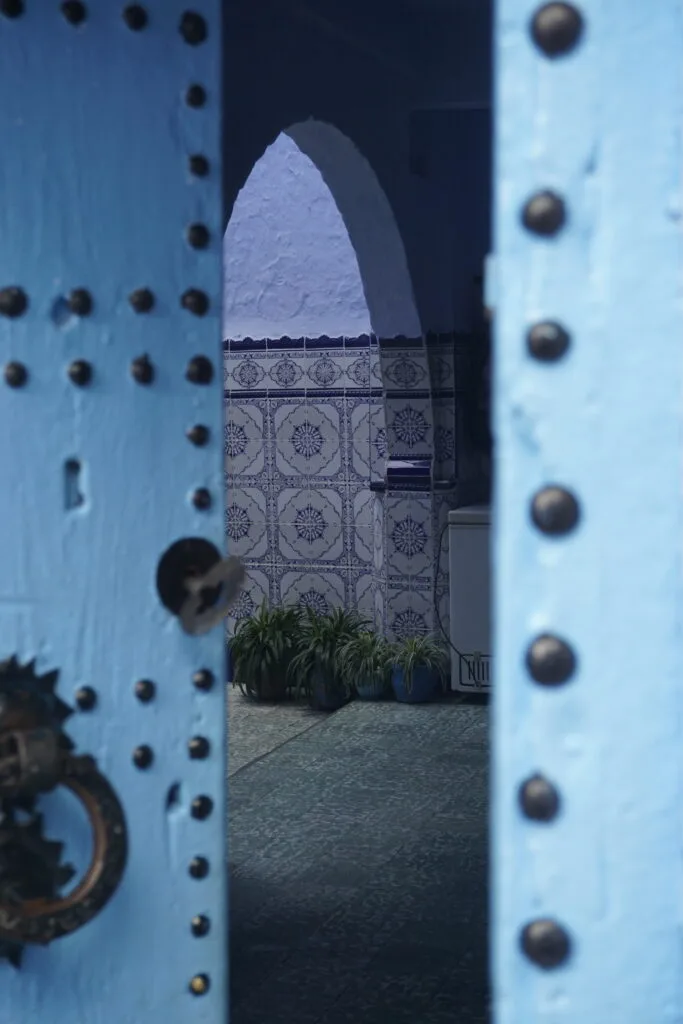
These captivating blue doors are more than just photogenic subjects; they serve as welcoming portals to the world of Moroccan hospitality and warmth. Step through one, perhaps during an authentic local experience, and you might discover a sanctuary – a traditional riad or home adorned with vibrant zellige tiles, ornate plasterwork (gebs), and the fragrant scent of orange blossoms or mint tea. Courtyards (wust ad-dar) often feature the soothing sound of a trickling fountain, providing a peaceful respite from the lively energy of the medina streets.
The doors of Chefchaouen are a reflection of its people. They stand as a proud testament to Moroccan craftsmanship, and to the resilience of a community that has preserved its unique cultural heritage through generations. Each door, with its unique shade of blue, its distinct knocker, and the stories held within its walls, invites you to pause, observe, and unravel the tales of the families who call this magical blue city home.
Your Own "Blue Pearl" Discovery
Now it’s time for you to wander the enchanting alleyways of Chefchaouen, to get lost in its sea of blue, and to let its doors whisper their ancient secrets to you. What stories will you uncover?
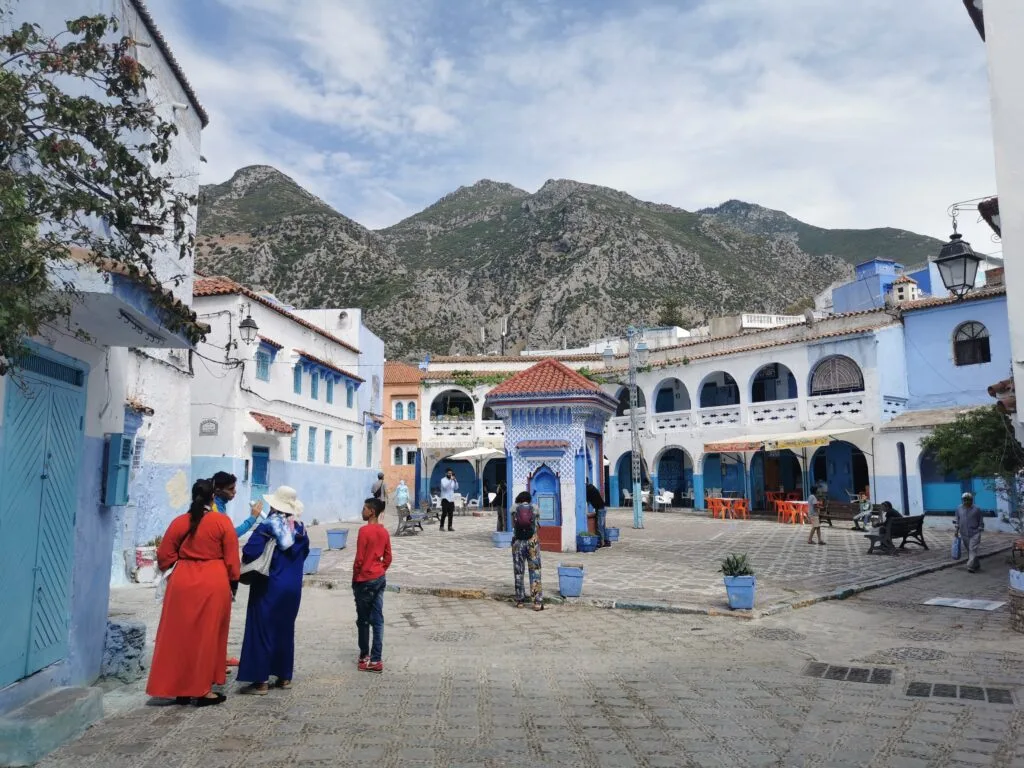
Ready to experience the magic of Chefchaouen firsthand?
➡️ Explore our experiences in Chefchaouen and the Rif Mountains and let us guide you through the heart of Morocco’s Blue Pearl. From immersive meals with local Jebala families to scenic hikes in Talassemtane National Park, discover Chefchaouen beyond the surface.